 Elín Guðmundsdóttir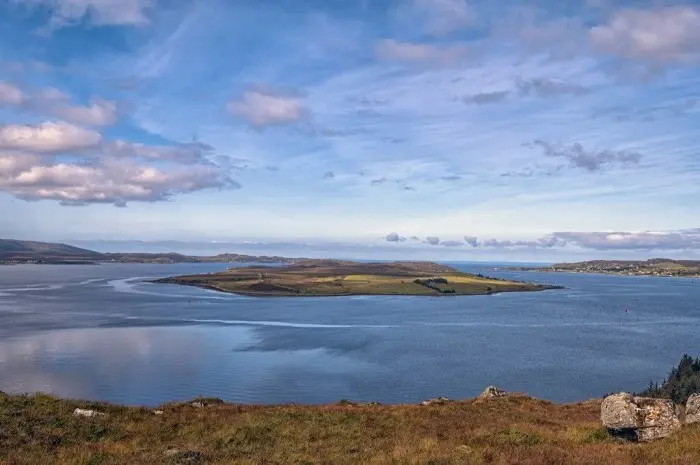
Discover the world’s most dangerous islands with unique stories and deadly threats, including Snake Island in Brazil and North Sentinel Island in India.
Islands are often associated with relaxing tropical getaways, white sandy beaches and crystal clear waters. However, not all islands are safe places to visit.
Some islands in the world are known for their extreme conditions, dangerous animal populations, and natives who are unfriendly to outsiders. These islands offer unique stories, but they are also full of risks that cannot be underestimated.
Here is a list of the 10 most dangerous islands in the world, including Snake Island in Brazil and North Sentinel Island in India, that you should know about.
1. Ilha da Queimada Grande (Snake Island), Brazil
Ilha da Queimada Grande, or Snake Island as it is known, is located off the coast of Brazil and is considered one of the most dangerous islands in the world.
The island is known for its extremely high population of venomous snakes, most notably the Golden Lancehead Viper (Bothrops insularis), whose venom can kill a human within hours.
There are an estimated one to five snakes per square meter on the island, making it a nearly impossible place to safely navigate.
The Brazilian government has banned public access to the island, except for researchers studying the island’s biodiversity under strict supervision.
Despite attracting attention due to the mystery and horror stories surrounding it, Snake Island is not a place for the average tourist. Its natural beauty is hidden behind the deadly threat of venomous snakes that dominate this area.
2. North Sentinel Island, India
North Sentinel Island is located in the Andaman Islands, India, and is known as one of the most isolated places in the world. The island is inhabited by the Sentinelese people, an indigenous group who reject contact with the outside world.
The Sentinelese are known to be very protective of their territory and have shown hostility to anyone who tries to approach them.
In 2018, an American missionary was killed after trying to visit the island, and the Indian government has banned anyone from approaching within 5 kilometers of the island.
With its inhabitants still living a primitive life and rejecting modernization, North Sentinel Island is one of the most inaccessible places in the world, both due to threats from locals and strict laws.
3. Gruinard Island, Scotland
The Scottish island of Gruinard has a dark history that has earned it the nickname “the island of death.” In 1942, the island was used by the British government as a biological weapons testing site, most notably anthrax. This testing left behind severe contamination, making the island uninhabitable for decades.
Despite a major cleanup in the 1980s, the island still has a reputation as a dangerous place. Tourists and locals are advised to stay away, due to concerns about possible residual contamination.
4. Miyakejima Island, Japan
Miyakejima Island in Japan is a unique but also dangerous place due to its constant volcanic activity. The island is inhabited by about 2,400 people despite the presence of an active volcano, Mount Oyama, which has erupted several times in history.
In addition to the threat of eruption, the island also has a high concentration of toxic gases such as sulfur dioxide, which requires residents to always carry gas masks.
Despite its extreme conditions, Miyakejima offers beautiful natural scenery and is an attraction for tourists who want to experience the sensation of living in a dangerous place. However, the risks involved make this island not suitable for everyone.
5. Ramree Island, Myanmar
Myanmar’s Ramree Island is famous for its gruesome tales involving saltwater crocodiles, one of the world’s deadliest predators.
During World War II, the island was the site of a battle between British and Japanese forces, with many soldiers reportedly killed by crocodile attacks while traversing the island’s swamps.
Although the story is still debated, Ramree Island remains considered dangerous due to its large crocodile population and inaccessible swamp habitat. It’s not an ideal place for tourists, but it has a certain appeal for those interested in dark history and the mysteries of the wilderness.
6. Farallon Islands, United States
The Farallon Islands are located off the coast of California and are known as “Shark Island” due to the large population of white sharks that are often seen in the surrounding waters.
The island also has a history of being a radioactive waste dump from the 1940s to 1970s, adding to its dangerous reputation.
Access to the island is extremely limited, and researchers are only allowed to visit with special permission. The combination of aggressive sharks and potential radioactive contamination makes the Farallon Islands one of the most inhospitable places for humans.
7. Heard Island, Australia
Heard Island, located in the Indian Ocean, is one of the most remote places in the world. The island is known for its frequent volcanic activity, with Mount Mawson still active and frequently erupting lava. In addition, extreme weather conditions with strong winds and low temperatures make it difficult to access.
Despite offering stunning natural beauty, including glaciers and biodiversity, Heard Island is not suitable for casual tourists due to the risks associated with volcanic activity and harsh environmental conditions.
8. Reunion Island, Indian Ocean
Reunion Island is a French overseas territory known for its spectacular natural scenery, but it also has a dangerous reputation due to frequent shark attacks.
In recent years, the island has recorded a significant number of shark attacks, making it one of the highest risk places to swim or surf.
While shark attacks do not detract from the island’s beauty, visitors are advised to exercise caution and follow safety precautions while on the beach.
9. Povoglia Island, Italy
The Italian island of Povoglia has a dark history as a medieval plague quarantine site and later as a psychiatric hospital. Many horror stories surround the island, including claims that it is haunted by spirits from the past.
The Italian government prohibits visits to Povoglia without special permission, but its mystical appeal continues to attract spooky fans and mystery hunters.
10. Saba Island, Caribbean
The Caribbean island of Saba is known for its extremely rugged terrain and high risk of tropical storms. Despite its beautiful natural scenery, including coral reefs and tropical rainforests, Saba is often hit by major storms that can cause severe damage.
The island remains an attractive tourist destination for nature lovers, but travelers should be aware of extreme weather that can occur at any time.
The world is full of beautiful places, but some of them pose a high risk to humans. From the venomous snakes of Brazil’s Snake Island in Brazil to the hostile natives of North Sentinel Island, these islands offer a fascinating tale that combines mystery, history and natural threats.
While not all of these islands are possible or worth visiting, learning about their uniqueness provides insight into the diversity and wonder of our world. Always be careful and follow safety rules if you decide to explore these extreme places.